Strata Cleaning vs General Cleaning: What’s the Real Difference?
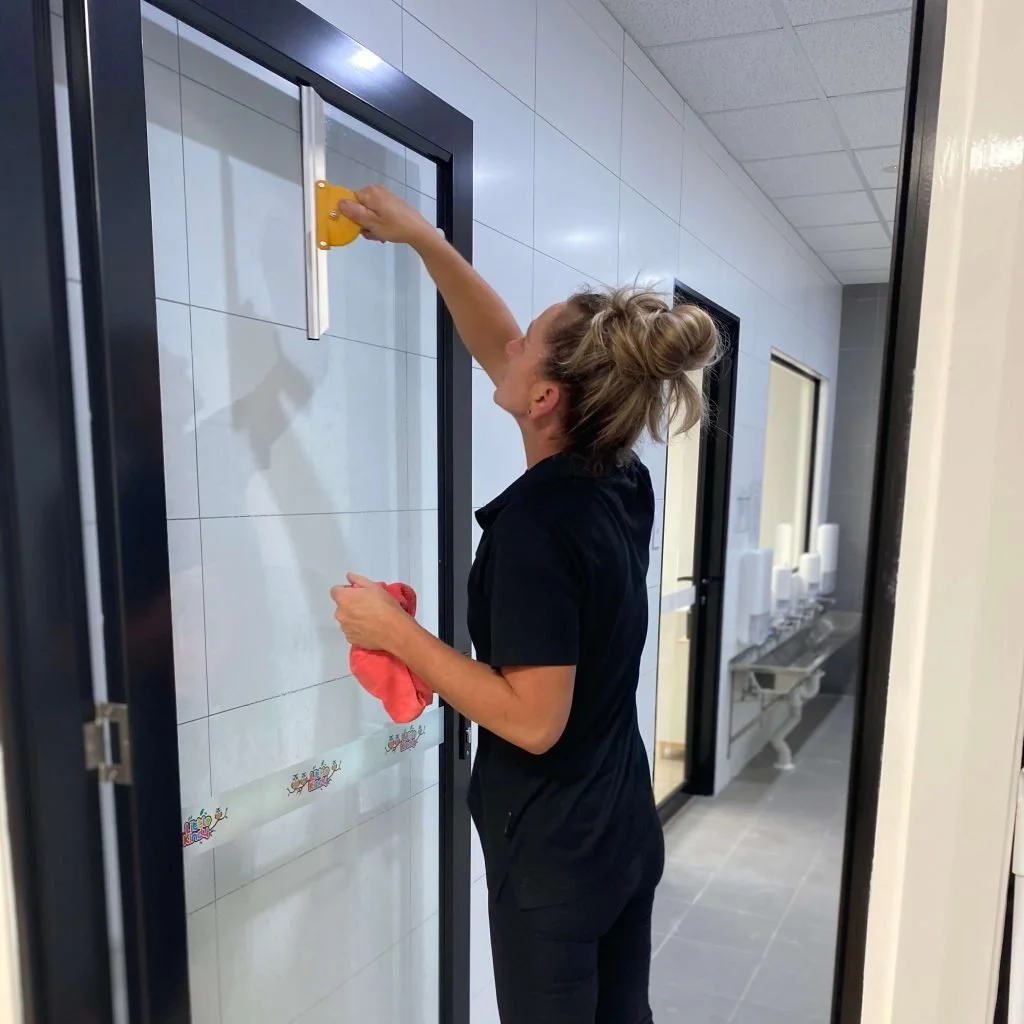
Why Strata Cleaning Is About More Than Keeping a Building Clean
When people think about strata cleaning, they often think about vacuuming hallways, mopping foyers or emptying bins. While those tasks are important, they only tell part of the story.
After working with strata communities for almost a decade, I've found that cleaning is one of the most visible indicators of how well a property is managed. Residents notice it every day, prospective buyers form opinions within minutes, and committees often judge the performance of their contractors by the standard of the common areas.
Good strata cleaning isn't simply about appearance. It's about protecting assets, maintaining hygiene, reducing safety risks and creating an environment that residents are proud to call home.
Every Building Is Different
One of the biggest mistakes I see is treating every strata property the same.
A 20-unit apartment building has very different cleaning requirements to a 300-lot residential community, a mixed-use development or a high-rise with multiple lifts, gyms and shared amenities.
Foot traffic, building design, surrounding environment and resident expectations all influence what an effective cleaning program should look like. The best outcomes come from developing a maintenance schedule that reflects how the building is actually used—not simply copying another property's specification.
Cleaning Is Part of Asset Preservation
Property presentation has a direct impact on how a building ages.
Dirt, organic growth, staining and neglected common areas don't just affect appearance. Left unchecked, they contribute to the deterioration of hard surfaces, increase maintenance costs and shorten the life of building assets.
Routine cleaning, pressure washing, floor care and preventative maintenance help protect finishes, extend the lifespan of surfaces and reduce the need for costly restoration work in the future.
Resident Experience Matters
Common areas are the shared spaces residents interact with every day.
Clean entrances, well-maintained lifts, tidy bin rooms and presentable pathways contribute to a safer, more enjoyable living environment. They also influence how residents perceive the overall management of the property.
While cleaning alone won't solve every issue within a strata community, poor presentation is often one of the first things residents notice—and one of the first things they raise with their strata manager.
A Good Cleaning Contractor Does More Than Clean
An effective contractor should become another set of eyes on your property.
During routine visits they should be identifying maintenance issues, reporting damage, notifying management of safety concerns and communicating problems before they become expensive repairs.
The most valuable contractors don't simply complete a checklist—they actively contribute to the ongoing presentation and condition of the property.
Reviewing Your Cleaning Program
If you're responsible for managing a strata property, it's worth reviewing your cleaning program from time to time.
Ask yourself:
Does the cleaning schedule reflect how the building is actually used?
Are contractors focusing on the areas that matter most?
Is the property consistently presented to a high standard?
Are maintenance issues being identified and reported?
Is the current budget delivering value?
These questions often reveal opportunities to improve service quality without necessarily increasing costs.
Final Thoughts
Cleaning should never be viewed as simply another maintenance expense. When planned and managed well, it becomes an investment in the presentation, safety and long-term performance of your property.
Whether you're reviewing an existing contract, preparing a new specification or simply questioning whether your current maintenance program is delivering value, taking a strategic approach to cleaning will almost always produce better long-term outcomes for residents, owners and the property itself.
